Practical SPC flooring guide

Should you install SPC flooring?

SPC can be a practical renovation floor, but it is not automatically right for every room or every existing floor. The best choice depends on moisture, flatness, heat, traffic, comfort, floor height and the finish you want.

Practical SPC flooring guide

The short answer

Choose SPC when you want a timber look, a water-resistant surface and a relatively quick floating-floor installation over a clean, dry, sound and sufficiently flat base. Consider tiles when the area is continually wet, exposed outdoors, subject to strong heat, or expected to deliver the longest hard-surface life with high scratch resistance.

SPC may suit your space when

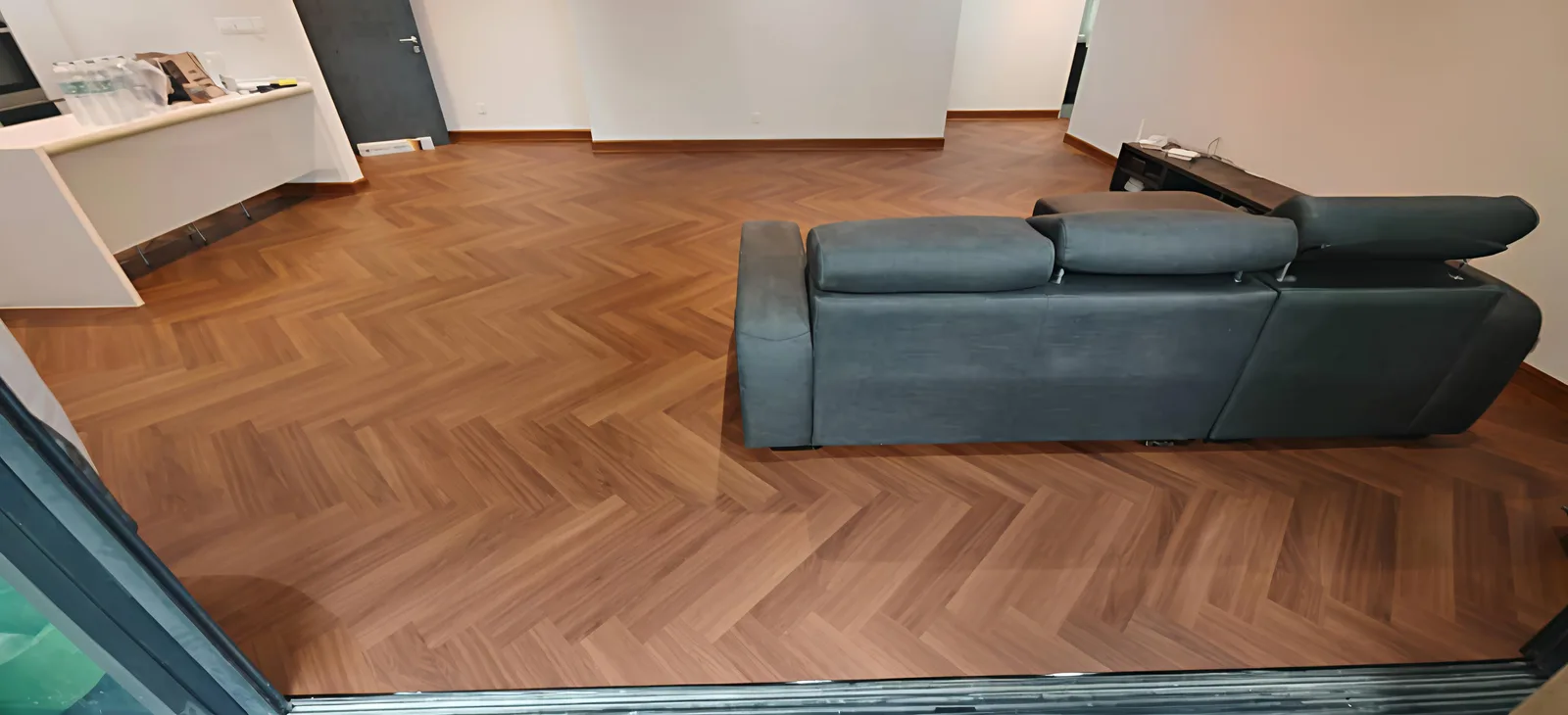
  • You want a wood-look floor without using natural timber.
  • The room is a living area, bedroom, office, rental unit or other dry-to-occasionally-wet interior.
  • The existing base is solid, dry and flat enough for the selected click system.
  • A lower-profile, faster renovation is valuable and door or transition heights can be planned.
  • You accept that the surface can still scratch or dent and will use suitable furniture protection.

Pause and assess another option when

  • The area stays wet, is outdoors, or has unresolved leaks or rising moisture.
  • Existing tiles are loose, hollow, badly cracked or too uneven for the product tolerance.
  • The floor receives intense heat or direct sun beyond the chosen product's instructions.
  • Heavy fixed cabinetry or unusual loads conflict with a floating-floor system.
  • You want the feel, repair method and long service life of a properly installed tiled floor.

SPC flooring vs tiles

Neither material wins every room. Use the actual site and the product specification to make the decision.

DecisionSPC flooringTiles
FeelUsually warmer and less hard underfoot; sound depends on the plank and underlay.Hard and cool underfoot; useful where a cool surface is preferred.
WaterThe plank may be waterproof, but the floor system does not repair leaks or waterproof the subfloor.The tile surface tolerates water, but grout, joints and the substrate still need the correct waterproofing system.
RenovationA floating click floor can sometimes go over sound, dry and level tiles after checks and preparation.May require hacking, screed or adhesive work depending on the existing base and chosen system.
WearResists everyday wear but can scratch, dent or damage at joints if the base or use is unsuitable.Generally more scratch resistant, but individual tiles can chip or crack.
RepairA damaged plank may require dismantling from the nearest wall or a specialist replacement method.An individual tile can be replaced if a matching tile is available, with possible grout and hacking work.
Best fitFast interior renovations, wood-look rooms, rentals, bedrooms, living areas and offices.Wet zones, outdoor-rated applications, strong heat and projects prioritising a long-lived hard surface.

Can SPC flooring be installed over existing tiles?

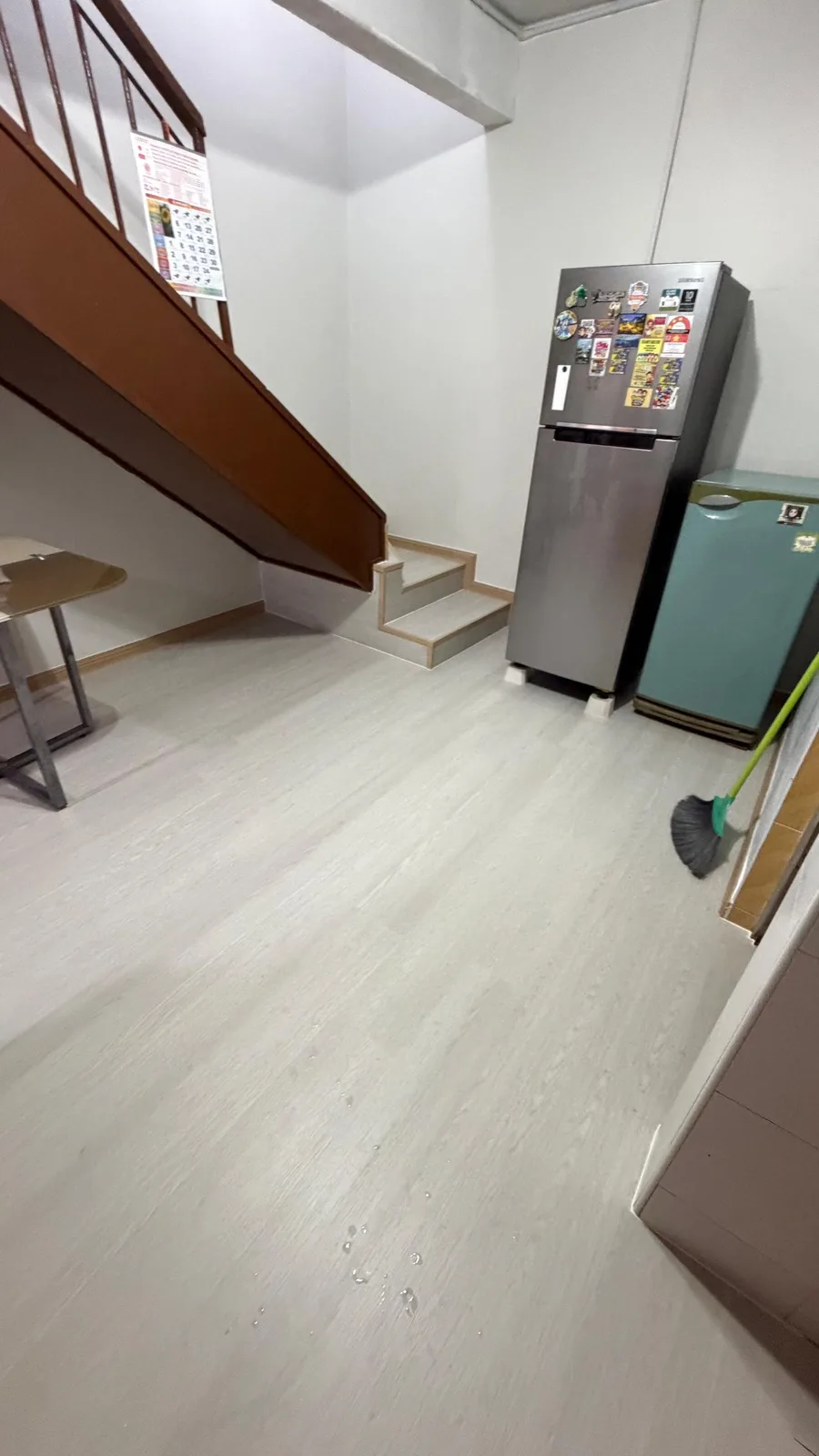
Often, but only after the existing floor is checked. Tiles should be firmly bonded, dry, clean and flat. Loose or hollow tiles, high edges, deep grout lines, moisture and major level changes need correction before installation.

Adding SPC also changes finished floor height. Check doors, skirting, balcony or bathroom thresholds, stair edges, built-in cabinets and transitions to neighbouring rooms. Follow the exact flatness, expansion, underlay and temperature instructions for the selected product; requirements vary by manufacturer and locking system.

What to check before asking for a quotation

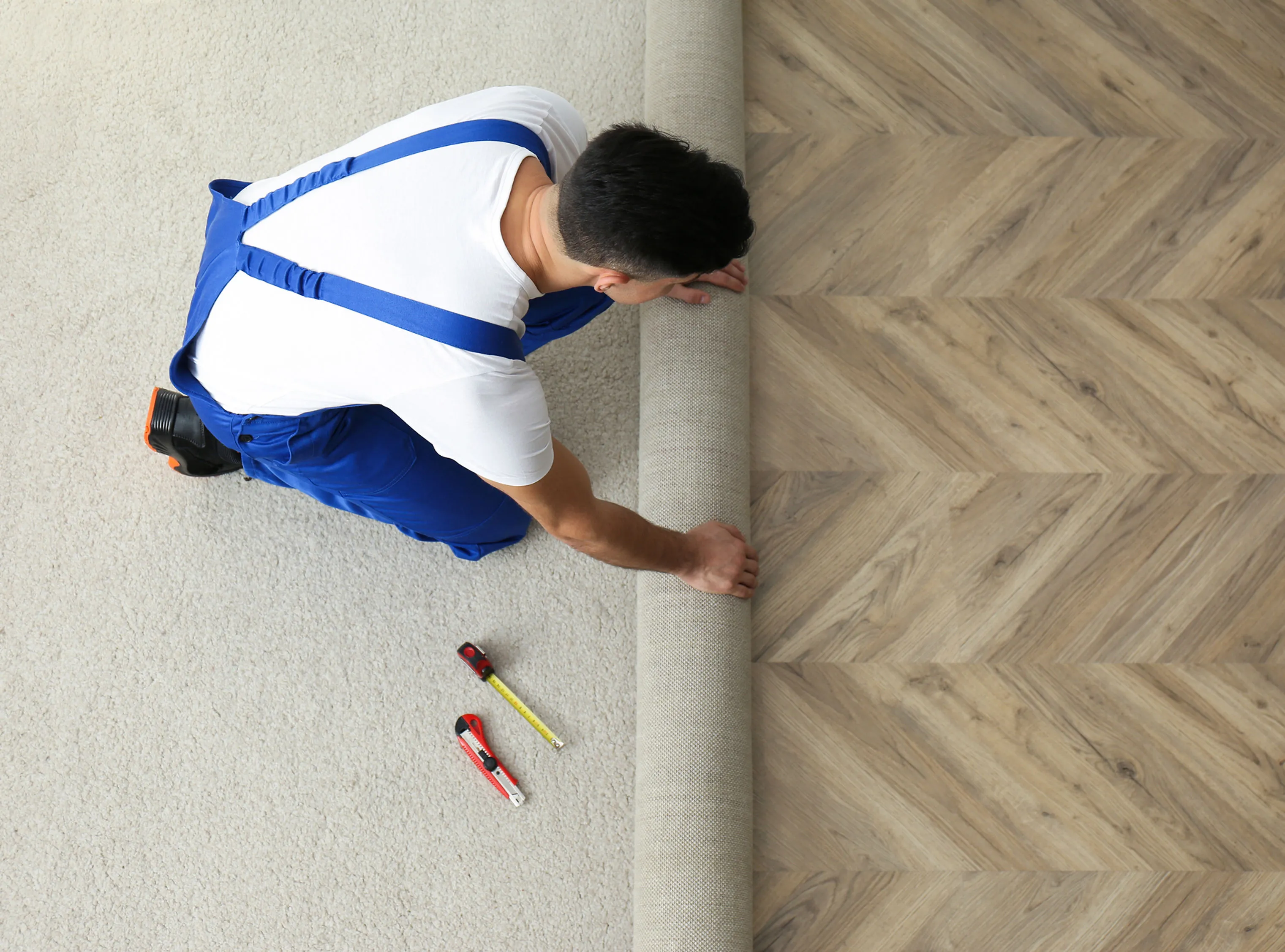
  1. Room measurements and a simple floor plan
  2. Clear photos of the whole room and close-ups of the existing floor
  3. Any hollow tiles, cracks, damp patches or previous leak areas
  4. Door clearances, floor transitions, stairs and fixed cabinets
  5. Expected use: children, pets, rolling chairs, retail traffic or heavy furniture
  6. Preferred colour, plank format, thickness range, skirting and trim
  7. Renovation timeline, access, furniture moving and disposal requirements

Common SPC flooring questions

Is thicker SPC always better?

No. Thickness can affect feel and system design, but wear layer, locking quality, dimensional stability, backing, subfloor preparation and correct installation also matter. Compare complete specifications rather than thickness alone.

Is SPC completely waterproof?

The SPC plank itself is commonly sold as waterproof. That does not make the room or subfloor waterproof, and water can still reach edges, joints or the structure below. Resolve leaks and moisture before installation.

Is SPC better than vinyl or laminate?

SPC is more rigid than many flexible vinyl floors and generally handles water better than conventional laminate. Flexible vinyl may feel softer, while laminate may offer a different feel and surface character. The best option depends on the room, base, use and product specification.

Can SPC be used in kitchens?

It is often considered for kitchens because the surface is easy to clean and the plank resists water, but leaks, appliance loads, fixed cabinets, heat, expansion space and the manufacturer's room-use guidance still need to be checked.

Start with the floor you already have

Send Sonhaus photos and measurements for an initial fit check, or visit the Jinjang showroom to compare real SPC samples before planning supply and installation in Kuala Lumpur or Selangor.